

Many people style a bed beautifully and still wake up too warm, too cold, or sore in the neck.
1. Why a Good-Looking Bed Can Still Sleep Badly
Bedding does three jobs at once: it supports your body, regulates temperature, and gives the room a finished look.
The most common mismatches are easy to spot:
- Heavy covers on a bed that traps heat, leading to night sweats.
- A pillow too tall or too flat for your sleep position, causing morning stiffness.
- Sheets that feel crisp in the store but cling or pill after a few washes.
- Too many decorative layers that get pushed to the floor every night.
Start by naming your problem.
2. The Four Layers of a Well-Built Bed
Think of the bed as four layers, working from your body outward.
- Contact layer: sheets and pillowcases, which touch your skin and manage moisture and breathability.
- Support layer: pillows and positioners, which keep your spine and neck aligned.
- Warmth layer: comforter, duvet, blanket or throw, which sets the temperature.
- Finish layer: decorative pillows and a folded throw, which add style without affecting sleep.
Building in this order prevents the common mistake of buying a statement comforter first and discovering later that nothing underneath works with it. If you want to see everything in one place, the Bedroom Furniture & Bedding collection brings together pieces designed to be coordinated.
3. Choosing Sheets and Pillowcases That Match How You Sleep
Sheets are the layer you notice most, because they touch you for hours.
Fiber. Cotton is a reliable all-rounder and tends to feel breathable. Linen is airy and gets softer with washing, suited to warm sleepers. Microfiber is budget friendly and wrinkle resistant, though some sleepers find it less breathable. Check the product description for the exact material rather than assuming.
Weave. Percale is crisp and cool. Sateen feels smoother and slightly warmer. If you wake up hot, lean toward percale or a loose, breathable weave.
Fit. Measure your mattress depth before buying. Thick mattresses or toppers need deep-pocket fitted sheets, otherwise corners pop off at night and the whole bed feels unsettled.
Pillowcases deserve the same attention, especially if you have sensitive skin or long hair. Smooth fabrics create less friction. Browse the Bed Sheets & Pillowcases collection to compare fabrics and sizes side by side.
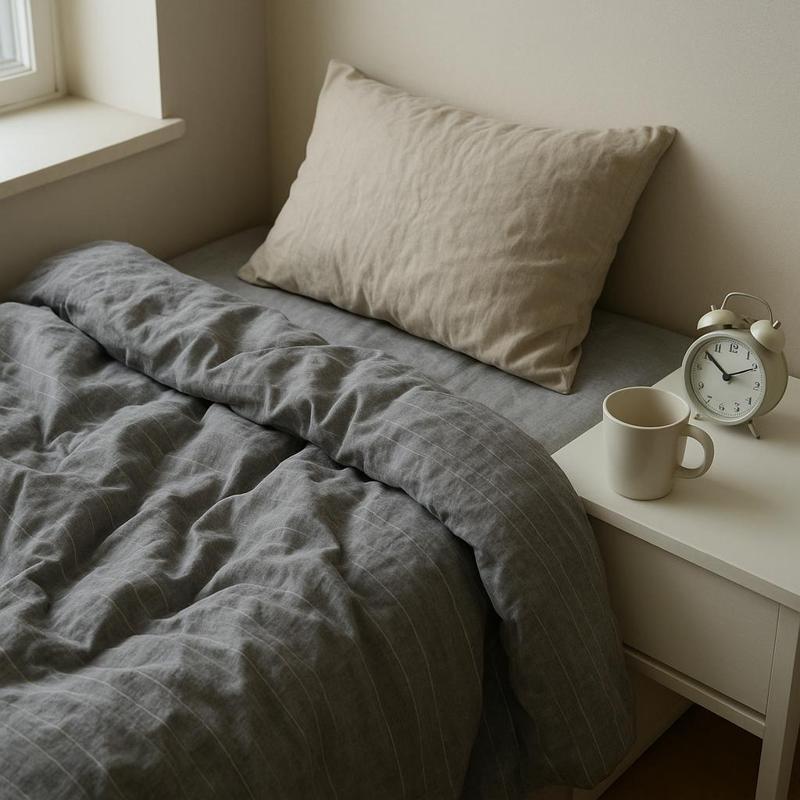
A practical rule is to own two sets per bed.
4. Pillows and Positioners: Support Before Decoration
Pillows are the most overlooked comfort decision.
- Back sleepers generally do well with a medium-height pillow that supports the curve of the neck.
- Side sleepers usually need a taller, firmer pillow to fill the gap between shoulder and head.
- Stomach sleepers tend to prefer a thin, soft pillow, or none, to avoid arching the neck.
Positioners and wedge-style supports help when you need extra elevation or want to keep a position through the night. You can explore options in the Bed Pillows & Positioners collection.
Decorative pillows come last. They shape the look of the bed, but they should never replace sleep pillows. If you enjoy a layered display, the Decorative Bed Pillows collection offers accent pieces, and a simple habit keeps things practical: move them to a chair or bench each night so they do not end up in the way.
5. Blankets, Throws and Seasonal Layering
A single heavy comforter forces you to choose one temperature for the whole year.
A flexible setup looks like this:
- Summer: top sheet plus a light blanket or just the sheet.
- Spring and autumn: sheet, medium blanket, and a throw at the foot of the bed.
- Winter: add a heavier comforter or duvet over the blanket.
Layers also solve the shared-bed problem.
A throw works as both comfort and styling, folded across the foot of the bed for a quick extra layer.
6. Kids' and Nursery Bedding: A Different Set of Rules
Children's bedding follows different priorities from adult bedding.
Keep these points in mind:
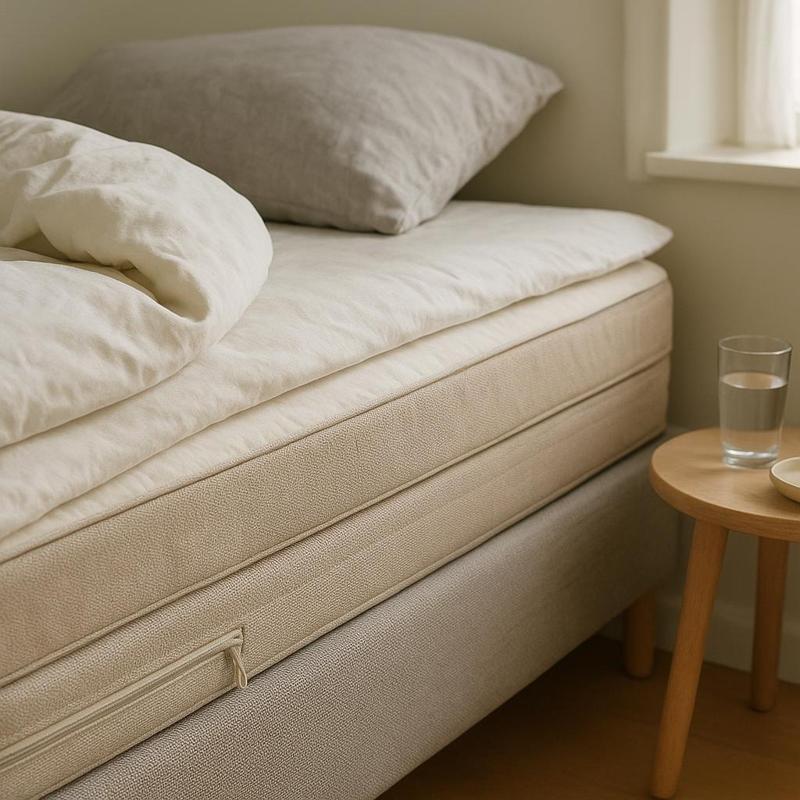
- Choose soft, easily washable fabrics, because spills and accidents are routine.
- Buy two sets so a change at night does not become a laundry emergency.
- Check the size against the actual crib, toddler bed or twin mattress before ordering.
- Follow current safe-sleep guidance from your pediatrician for infants, including what should and should not be in a crib.
For nursery sets, the Bedroom Bedding collection is built around cozy, gentle pieces for little ones.
7. A Care Routine That Keeps Bedding Fresh and Durable
Good bedding can feel worn out simply because of how it is washed.
Frequency. Wash sheets and pillowcases about once a week, or more often in hot weather or if you sleep with pets. Wash comforters, blankets and pillow protectors less often, following the care label.
Washing. Use a gentle cycle and a mild detergent. Avoid overloading the machine, since bedding needs room to move and rinse properly. Skip heavy fabric softener on towels and cotton sheets if you want them to stay absorbent and breathable.
Drying. Dry on low to medium heat. Excess heat shrinks fibers and speeds up pilling. Remove sheets while slightly damp to reduce wrinkling, or line dry when weather allows.
Rotation and airing. Rotate between your two sets, and air pillows and covers in fresh air from time to time. Fluff pillows daily so filling does not clump.
Stains. Treat spots early with cool water and a gentle stain remover, and always check the label before using bleach or hot water.
8. Pre-Purchase Checklist and Quick Summary
Before adding anything to your bed, run through this short checklist.
- Have I measured my mattress length, width and depth?
- Do I sleep hot, cold or somewhere in between?
- What is my usual sleep position, and does my pillow match it?
- Can every item go in my washing machine and dryer?
- Will the colors and textures work together, with one or two accents only?
Here is the summary in one view:
- Contact layer: pick breathable fibers and the right depth of fit.
- Support layer: match pillow height to your sleep position.
- Warmth layer: layer lighter covers so you can adjust through the seasons.
- Finish layer: keep decorative pieces separate from sleeping pieces.
- Care: own two sets, wash gently, and dry on moderate heat.
If you are ready to put a layered bed together, you can browse everything room by room at the Homivo store and build one layer at a time.
A comfortable bed is not about buying the most pieces.